Why Choose Homemade Grape Juice?
There's something uniquely satisfying about sipping a glass of freshly made grape juice. Beyond its refreshing taste, homemade grape juice offers a vibrant burst of natural goodness that store-bought versions often lack. When you make it yourself, you control every ingredient, eliminating unwanted added sugars, artificial flavors, and preservatives. This translates directly into a healthier beverage, rich in antioxidants, vitamins, and minerals that support overall well-being.
Homemade grape juice is a fantastic way to capture the peak freshness of grapes, especially during harvest seasons. It's not just a delicious drink; it’s an accessible gateway to a healthier lifestyle. Many people wonder
how to make grape juice at home, assuming it's a complicated process. The truth is, whether you have a dedicated juicer or simply a blender and a strainer, creating your own grape juice is surprisingly straightforward and incredibly rewarding.
The Stars of the Vineyard: Best Grapes for Juicing
Selecting the right grapes is the first, and arguably most critical, step in crafting truly exceptional homemade grape juice. The variety you choose will largely dictate the flavor, sweetness, and even the health benefits of your final product. For the best results, always look for grapes that are plump, firm, and have a deep, uniform color, indicating ripeness. Avoid any that are shriveled, soft, or have visible mold.
Concord Grapes: The Classic Choice
When most people think of grape juice, they're likely imagining the rich, robust flavor of Concord grapes. These deep purple beauties are synonymous with traditional grape juice for good reason. They boast a wonderfully intense, sweet-tart flavor profile and are exceptionally high in antioxidants, particularly resveratrol. Concord grapes yield a juice with a bold color and a distinctive aroma that is both nostalgic and deeply satisfying. They are perfect for juicing on their own or as a dominant flavor in a blend.
Niagara Grapes: A Sweet, Tangy Alternative
Often referred to as "white Concord grapes," Niagaras offer a delightful alternative for those who prefer a lighter, yet still distinctly grapey, flavor. These pale green to yellow grapes produce a juice that is sweet with a pleasant tang, reminiscent of "white" grape juice found in stores. Niagara grapes are a great source of vitamin C and contribute a bright, refreshing quality to any juice blend. They pair beautifully with tarter varieties or shine on their own for a less intense, more delicate juice.
Muscadine Grapes: The Southern Gem
Native to the southeastern United States, Muscadine grapes are unique in flavor and texture. Characterized by their thick skin and often larger size, they come in bronze (often called Scuppernongs) or deep purple varieties. Muscadine juice has a distinct, intensely aromatic, and somewhat musky flavor that true fans adore. These grapes are packed with antioxidants and phytonutrients, many of which reside in their skins. For an authentic Southern experience and a nutrient powerhouse, Muscadines are an excellent, albeit less common, choice for juicing. Ensure they are very ripe to bring out their maximum sweetness.
Green Grapes (e.g., Thompson Seedless, Himrod): For a Zesty Kick
While purple grapes often take the spotlight, don't overlook the potential of green varieties like Thompson Seedless or Himrod. These grapes deliver a crisp, tangy, and highly refreshing juice. They are naturally high in Vitamin C and can add a vibrant, zesty note to your juice. Green grapes are particularly excellent when blended with sweeter purple varieties, like Concord. A blend of green and purple grapes creates a more complex and well-rounded flavor profile, balancing sweetness with a delightful tartness.
Red Seedless Grapes (e.g., Flame, Crimson): Versatility and Mildness
For a milder, subtly sweet juice, common red seedless grapes such as Flame or Crimson varieties are a great option. Readily available in most grocery stores, they offer a consistent sweetness without the strong "grape" flavor of Concords. Their juice is often lighter in color and less intense, making them a versatile base for blending with other fruits or for those who prefer a gentler grape flavor. They are also easy to prepare due to their lack of seeds.
Ultimately, the best grape for juicing is a matter of personal preference. Don's hesitate to experiment with different varieties and create your own signature blends!
Prepping Your Grapes for Optimal Juice
No matter which method you choose for
how to make grape juice, proper preparation of your fruit is essential for the best flavor and quality.
- Selection: As mentioned, begin with ripe, firm, and unblemished grapes. The quality of your grapes directly translates to the quality of your juice.
- Washing: Thoroughly rinse your grapes under cool running water. This removes any dirt, debris, or residual pesticides. A colander works perfectly for this task.
- Destemming: This step is crucial! Carefully remove all stems and leaves from the grapes. Stems, even small ones, can impart a bitter, astringent taste to your juice, compromising its fresh, sweet flavor. While tedious for larger batches, this step is non-negotiable for superior taste.
- Seeding (Optional): If you are using seeded grapes and a method like a juicer that doesn't separate seeds, you may choose to cut grapes in half and remove seeds. However, many methods (like steaming or blending with subsequent straining) will effectively handle seeds without prior removal.
- Halving (Optional): For some juicers or blenders, cutting larger grapes in half can make the extraction process more efficient, but it's not strictly necessary for all methods.
How to Make Grape Juice: Your Home Kitchen Guide
Once your grapes are perfectly prepped, you're ready to transform them into delicious juice. There are several popular methods for
how to make grape juice at home, accommodating various kitchen setups and preferences. While this article focuses on grape selection, understanding the basic approaches will help you choose the best path for your juicing journey.
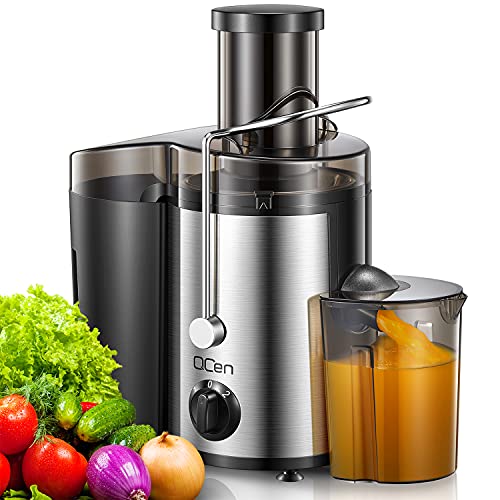
For a quick and vibrant fresh juice, a **juicer** (centrifugal or masticating) is the fastest and most efficient tool. Simply feed the prepped grapes into the juicer, and enjoy instant, pulp-free juice.
If you don't own a juicer, don't worry! You can still make excellent grape juice using a **blender**. After blending the grapes with a little water, the mixture is then strained through a fine-mesh sieve, cheesecloth, or a nut milk bag to separate the pulp from the juice. This method is accessible and yields a wonderfully fresh drink.
For larger quantities and often used for canning, the **stovetop method** involves gently cooking the grapes in a pot with a small amount of water until they burst and release their juices. The mixture is then strained. A **steam juicer** is an even more efficient variation of the stovetop method, using steam to extract juice without direct contact with water, resulting in a highly concentrated juice. Interestingly, the boiling process often yields the most juice from grapes.
For those interested in preserving their homemade grape juice for enjoyment throughout the year, there's even an incredibly simple **no-cook canning method** that combines grapes, sugar, and boiling water in mason jars, then processed in a hot water bath. You can learn more about this easy method here:
Make Grape Juice Without Cooking: Easy Canning Recipe.
Tips for the Tastiest Grape Juice
Making grape juice is an art as much as a science. Here are some extra tips to ensure your homemade juice is nothing short of spectacular:
- Serve Chilled: Grape juice is always best served cold. Chill your juice in the refrigerator for at least an hour before serving, or add a few ice cubes.
- Sweetness Adjustment: If your grapes are a bit tart, or you prefer a sweeter juice, you can naturally sweeten it. Options include a touch of honey, maple syrup, agave nectar, or even a few pitted dates blended in. Remember to taste as you go!
- Acidity Balance: For a brighter, more vibrant flavor, a tiny squeeze of fresh lemon or lime juice can work wonders, especially with sweeter grape varieties.
- Pulp Control: The degree of pulp is a personal preference. For ultra-smooth juice, use a fine-mesh strainer, cheesecloth, or a nut milk bag to thoroughly filter out any residual pulp. For a thicker juice, strain less vigorously.
- Storage: Store homemade grape juice in airtight containers or bottles in the refrigerator for up to 3-5 days. For longer storage, grape juice freezes beautifully for several months.
- Experiment with Blends: Don't limit yourself to just one type of grape! Blend different grape varieties (e.g., Concord with green grapes) or even incorporate other fruits like apples, berries, or a slice of ginger for unique flavor combinations and added health benefits.
Conclusion
Crafting your own grape juice at home is a delightful journey that promises peak flavor and an abundance of health benefits. By understanding the characteristics of different grape varieties – from the classic Concord to the zesty green grapes – you can tailor your juice to your exact taste preferences. From proper washing and destemming to choosing your preferred juicing method, every step contributes to a superior end product. So, whether you're using a high-tech juicer or a simple pot on the stove, exploring
how to make grape juice is a rewarding endeavor that brings fresh, natural goodness straight to your glass. Get ready to unlock the vibrant flavors and incredible health advantages of homemade grape juice!